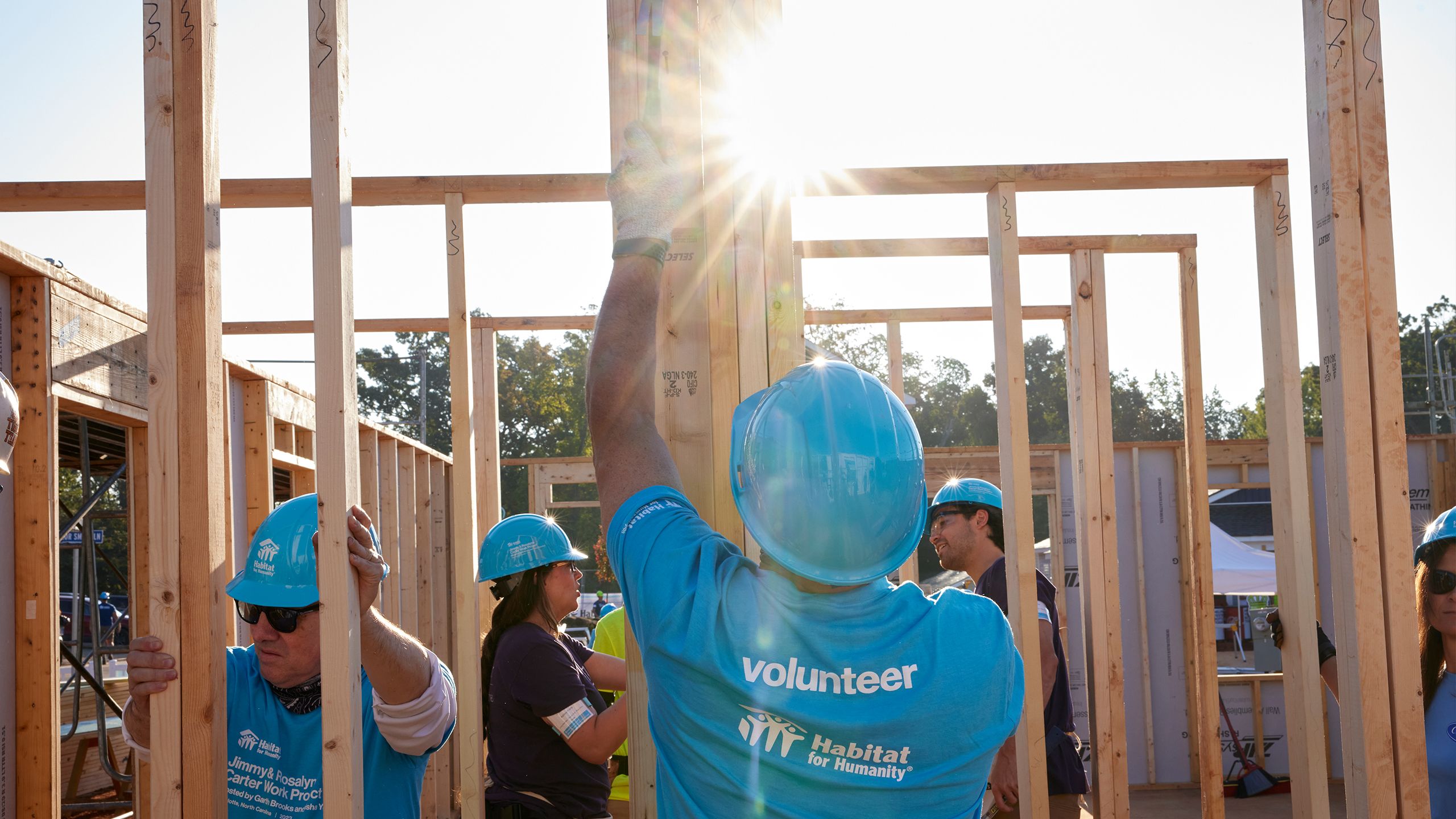
We believe that
everyone
deserves a decent place to live.
Putting love into action, we bring people together to build homes, communities, and hope.

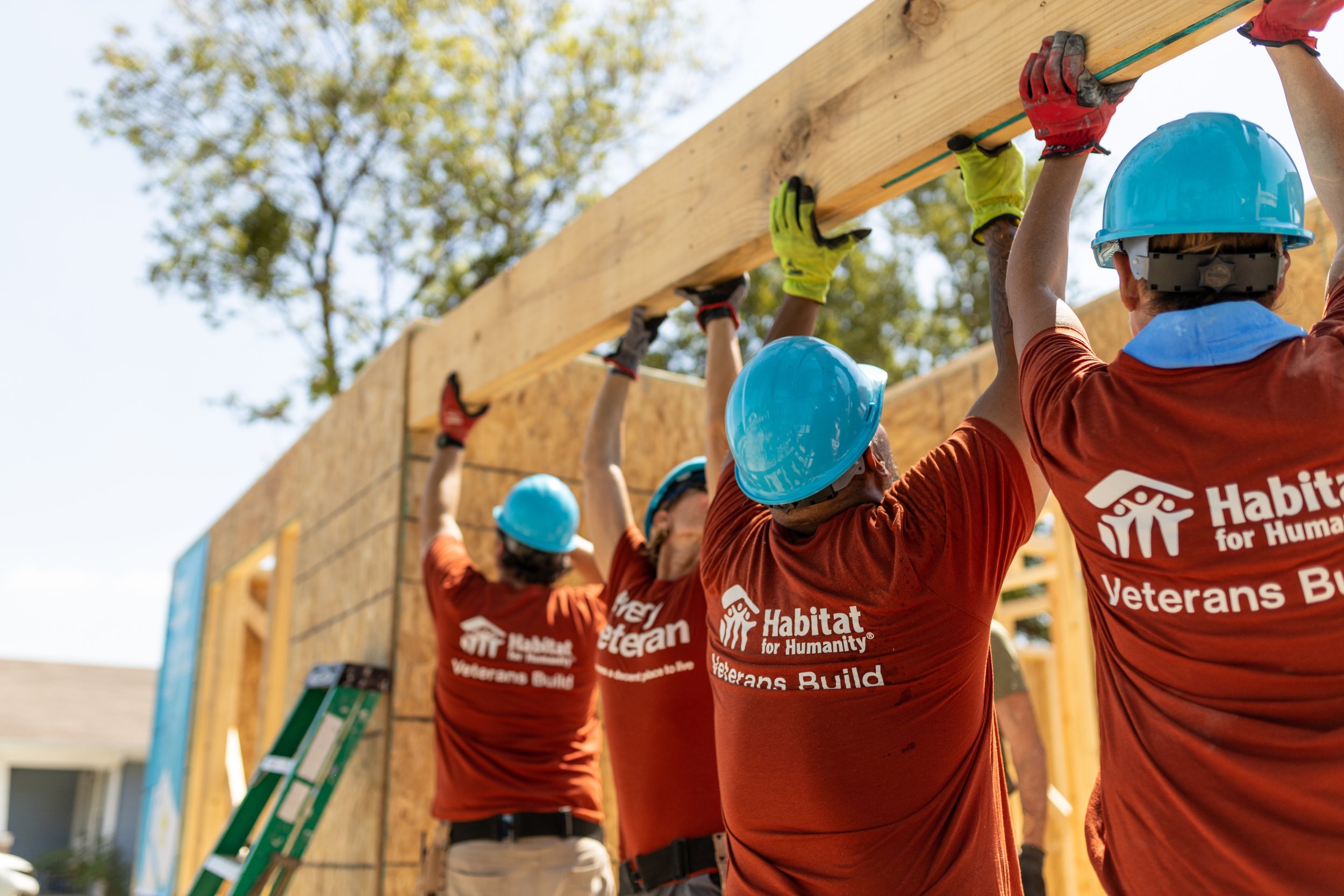


Since 1986, we have been dedicated to building strength, stability, and self-reliance
through shelter in Utah. Operating across Salt Lake, Davis, and Tooele counties,
we build alongside working families, volunteers, and community partners
to construct, rehabilitate, and repair affordable homes.
Working side-by-side with volunteers to construct resilient, affordable housing.
Offering interior or exterior repairs to alleviate health, accessibility, and safety issues for homeowners.
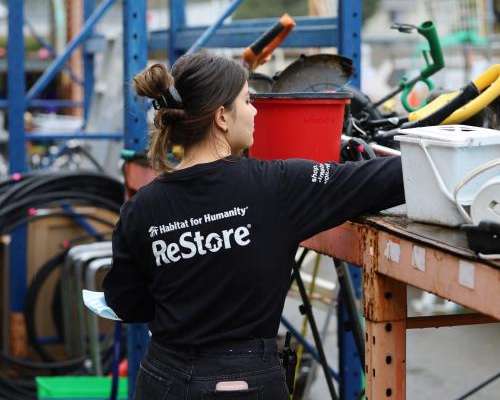
Supporting DIY home repairs by offering new and used home goods, furniture, and supplies.
Volunteers build homes, advocate for housing solutions, and uplift local communities.

October 7th 2026
Affiliate: Habitat for Humanity Greater Salt Lake Area Federal EIN: 87-0430150 | Serving Salt Lake, Davis & Tooele Counties Every grant builds
September 30th 2026
Join Our Mission Build strength, stability, and self-reliance through shelter—and shape a stronger community with us every single day. When
September 19th 2026
building strength from the inside out As the crisp autumn air settles into the valleys, we love taking a moment to look back at the incredible momen
August 10th 2026
Emergency Disaster Relief Supporting Families Displaced by the Midvale Apartment Fires Habitat for Humanity Great Salt Lake Area, in active partn
April 9th 2026
By Steven Heumann, Volunteer No power tools. No electricity. No running water. One house. When I stepped off the plane in Kenya with the tea
January 9th 2026
A Foundation of Strength, Stability, and Self-Reliance Can a simple house change the trajectory of a family’s future forever? Since our local affili

December 8th 2025
What if your weekly grocery run could go towards helping a Utah family stay safe and healthy in a stable home? When you enroll in Smith’s Inspiring Do
November 5th 2025
This week, our CEO Carin Crowe joined Derek Miller on Speaking on Business with the Salt Lake Chamber. She spoke about the power of a safe, affordable

October 6th 2025
When you step into the Habitat ReStore, you’re not just browsing cabinets, doors, or flooring—you’re stepping into opportunity. Here, families stretch
October 6th 2025
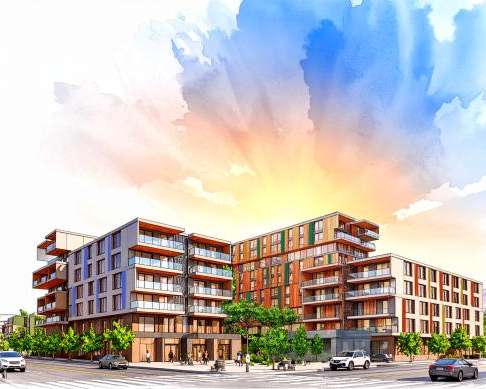
Salt Lake City is transforming a long-vacant parcel at 800 South, between 300 and 400 West—the former city fleet maintenance facility—into a vibrant,
September 22nd 2025
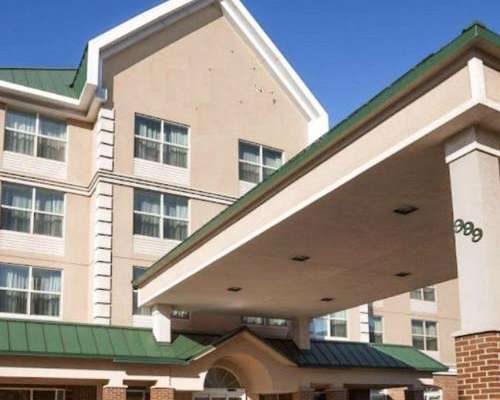
When the Holiday Inn Express in Bountiful was scheduled for demolition, hundreds of beds, desks, chairs, and tables faced an uncertain fate. Instead o
August 12th 2025
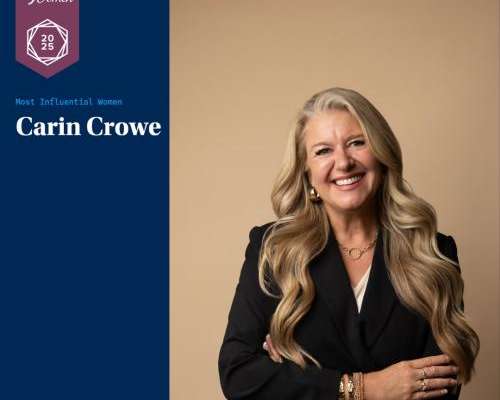
"When we invite people to build homes, we invite them to build communities, stability—and lasting opportunity." Carin Crowe, CEO of Habitat for Humani
December 29th 2024
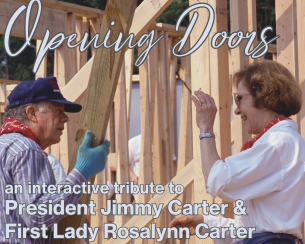
When you picture Jimmy Carter, images of a peanut farmer turned president might spring to mind, or perhaps his Nobel-winning dedication to peace and h
June 18th 2024
Please join us for an evening of inspiration and purpose as we gather at our Field of Dreams model home to share the transformative work of Salt Lake
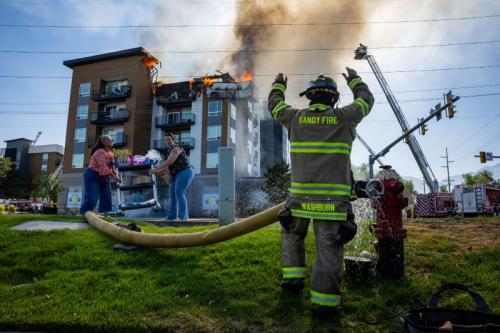
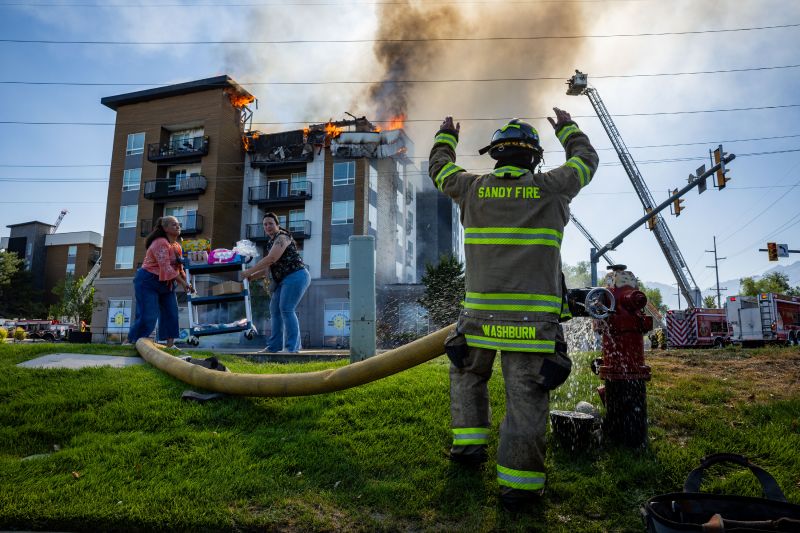
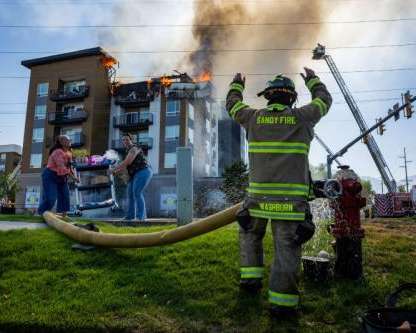
Habitat for Humanity Great Salt Lake Area, in active partnership with Utah VOAD (Voluntary Organizations Active in Disaster) and the Mayor of Midvale, is coordinating emergency resources to support families transitioning back into permanent housing.
Following the tragic multi-alarm fire at the North Union Apartments in Midvale, residents across all 220 occupied units were suddenly displaced, with many families losing every personal item they owned to intense fire, smoke, and water damage.
In response, Habitat for Humanity Great Salt Lake Area (GSLA) is teaming up directly with the City of Midvale and Utah VOAD to provide long-term housing stabilization. Our mission is to supply basic furniture, bedding, and kitchen basics so families can rebuild their lives with dignity.
Utah Voluntary Organizations Active in Disaster (Utah VOAD) is a coalition of vetted nonprofit, faith-based, and community disaster-response agencies—including the American Red Cross, local food banks, and charitable organizations. By unifying efforts, Utah VOAD ensures disaster victims get streamlined housing, financial, and emotional support without duplicate steps or wasted resources.
If you were displaced by the Midvale North Union apartment fires, please review our mandatory intake process before coming in or booking your support appointment:
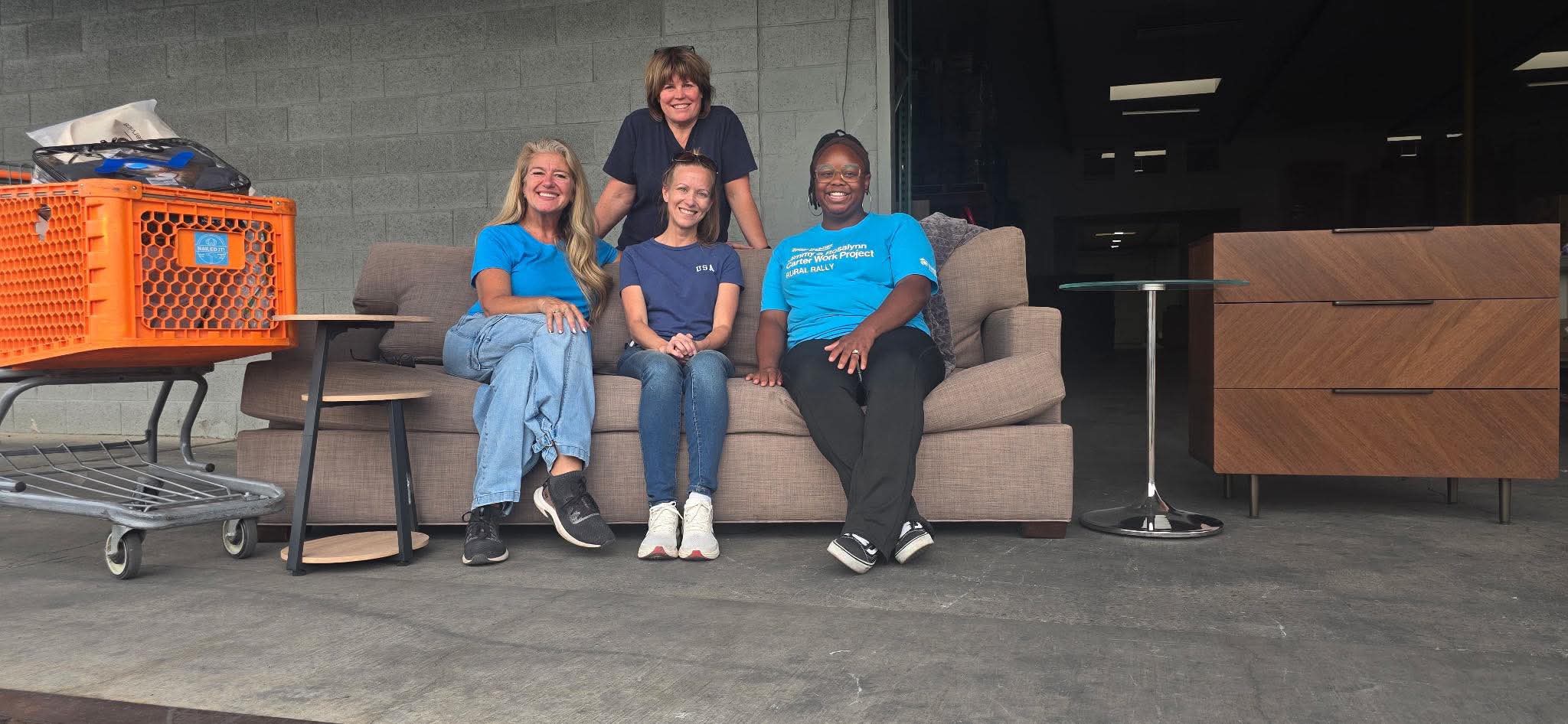
We are collecting foundational furniture and daily essential household items to outfit new spaces for displaced families. Please ensure all donated items are in new or gently used, immaculate condition.
Please ensure all upholstered furniture is free of stains, rips, structural damage, and pet hair, so families receive clean, dignified items they can rely on immediately.
1270 S 500 W
Salt Lake City, UT 84101
Monday – Saturday: 9:00 AM – 5:30 PM
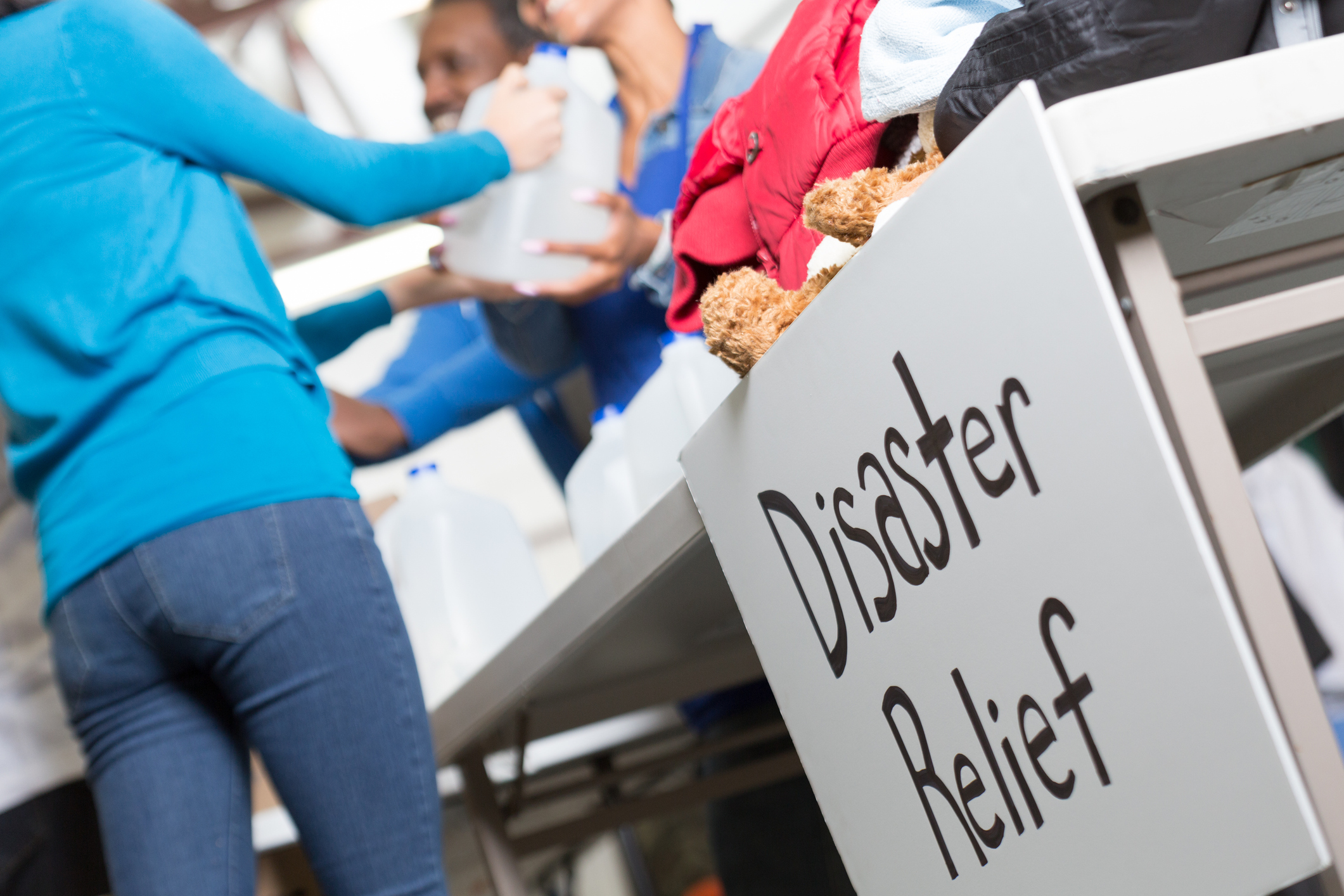
Financial donations provide our disaster response team with the agility to purchase gift cards directly, pay for transport and storage, and rapidly acquire missing household items for rehousing displaced families.

Beyond emergency disaster response, Habitat Great Salt Lake Area provides ongoing support through our Habitat Cares program. We partner with local non-profits and community organizations to assist low-income individuals, families, and victims of hardship with essential home goods and vouchers through our ReStore.

By Steven Heumann, Volunteer
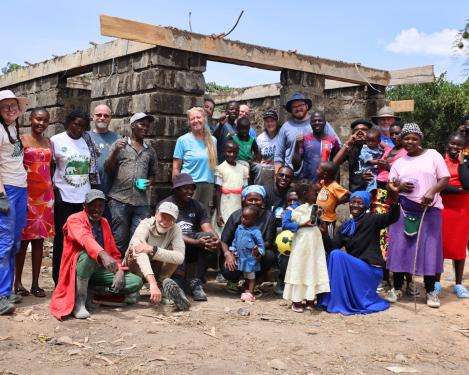
When I stepped off the plane in Kenya with the team of ten Americans from Habitat for Humanity, I really didn’t know what to expect. We had just spent the last 24 hours-plus traveling to the other side of the world. I knew what the plan was of course: to help build a house for a family living in poverty. I knew my role: document the build on film.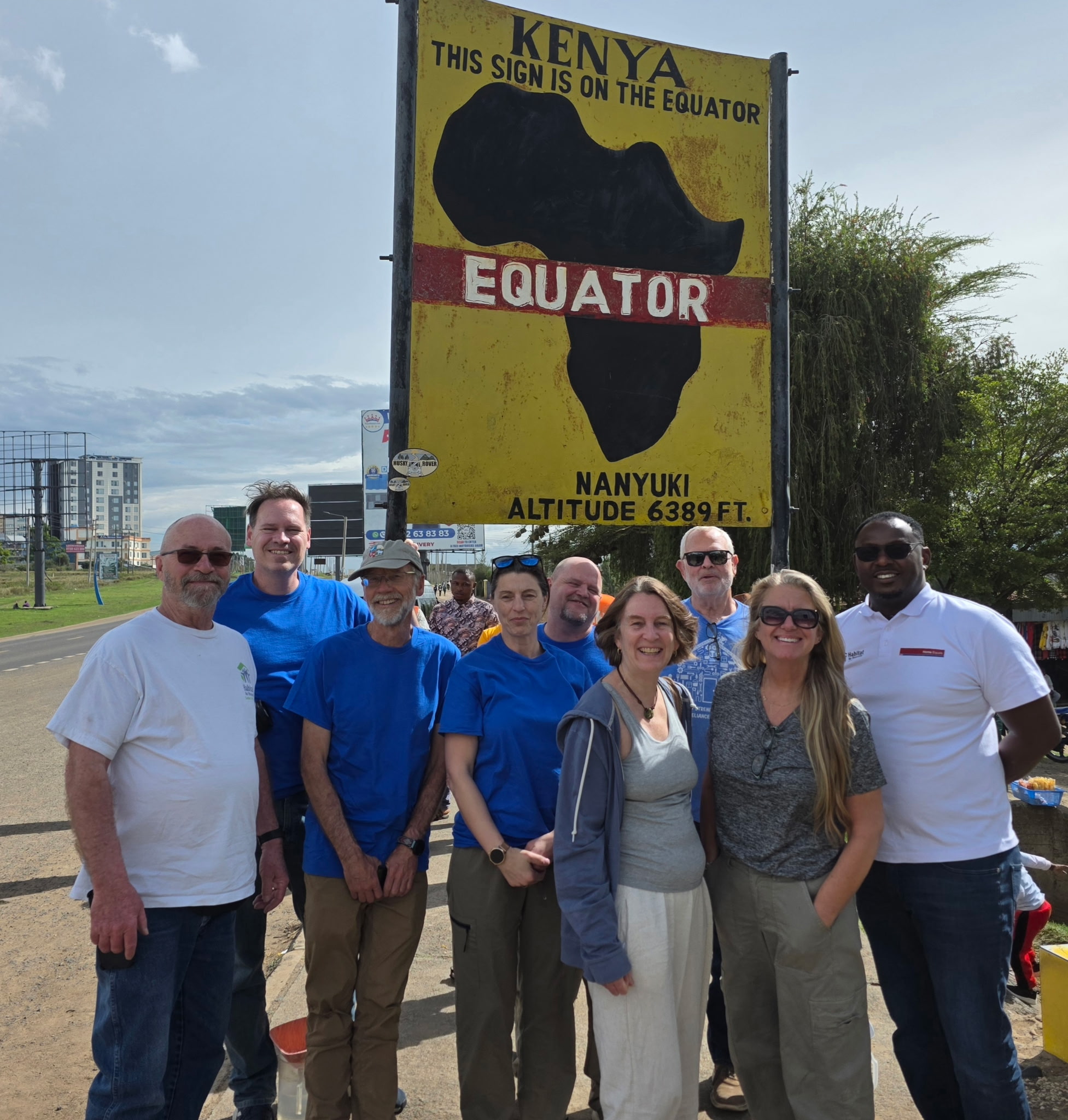
But I still had no idea what to really expect. Habitat for Humanity is known for building homes for people in need across the world. I knew that was their mission, but my education on this trip was going to go far beyond my preconceived notions of charity and goodwill. What I learned about Habitat, and Africa, surprised me in the best ways.
Kenya isn’t terribly different from anywhere else in the world. The people are warm, the income divide is extreme, and community is far more important than it tends to be in the United States. That being the case, when you have millions of people with very little in the way of material possessions, it should come as no surprise that the people around them become infinitely more valuable.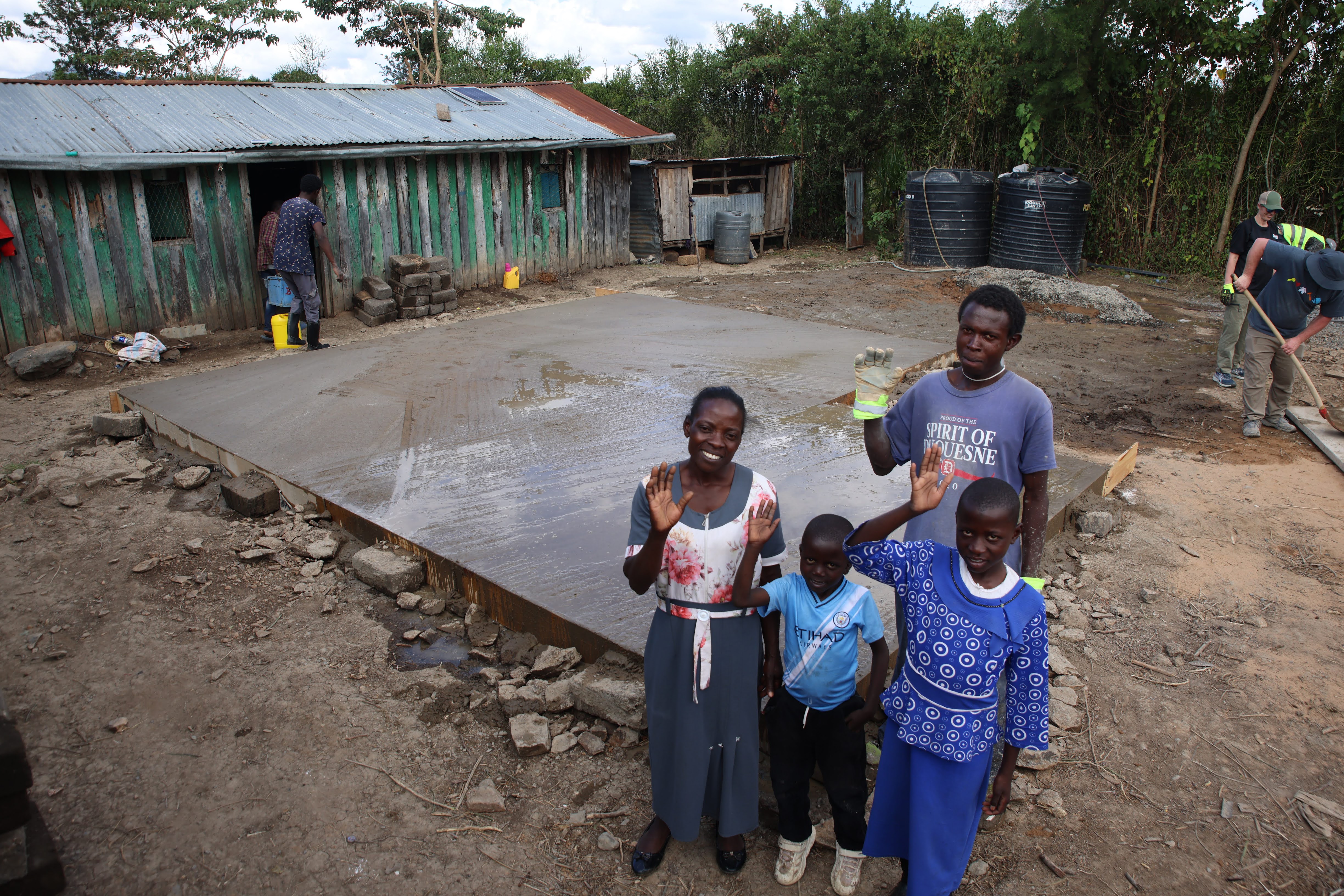
I saw it on the first day of the build. We arrived in Laikipia County, a few hours north of Nairobi, right on the Equator. Dirt roads took us deep into the country, where we were introduced to Noel and her family. They had lived in a wooden shack with a dirt floor for over two decades, and now the Kenya affiliate for Habitat had partnered with them to build something more sustainable.
The entire community was there to greet us, to sing and to dance. And as the work commenced on the foundation, the community was right beside us mixing cement and dumping gravel. Noel and her family had never been alone, and they weren’t building alone, either.
That was one of the first things our group learned. Our efforts, while helpful in the sense that many hands make light work, were not really necessary. The masons knew how to level each layer of block using tools that have been around for millennia. The community was there to serve the family, and happy to do it.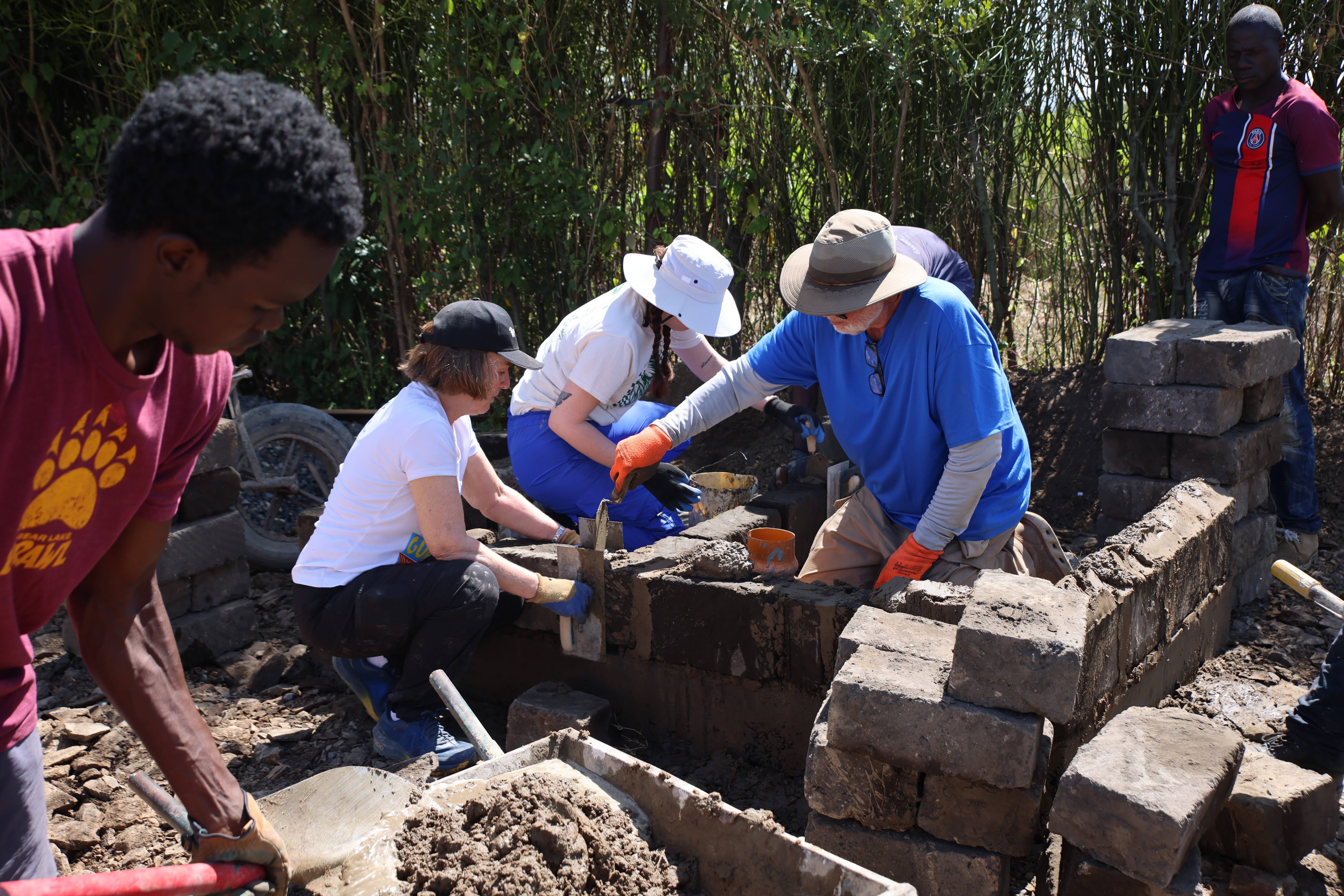
Joy seemed to permeate every aspect of the Kenya build. Smiles abounded. Even though the new house would still lack running water and electricity, at one point Noel smiled and said, “This is the house the Lord has seen fit to bless me with. Praise be to the Lord!” Her appreciation was infectious.
During the week-long build, we learned that Habitat for Humanity Kenya was constructing multiple houses at that same time. This happened to be the one where they could afford the extra time to let some Americans come and get in the way of the masons; where cultural knowledge could be exchanged; where the real Kenya could be experienced.
This wasn’t a vacation. We were immersed in the real world like we had never been before. We understood the struggles and the fight to survive, but we also understood the joy of friends and the power of community to raise everyone to a higher level of bliss.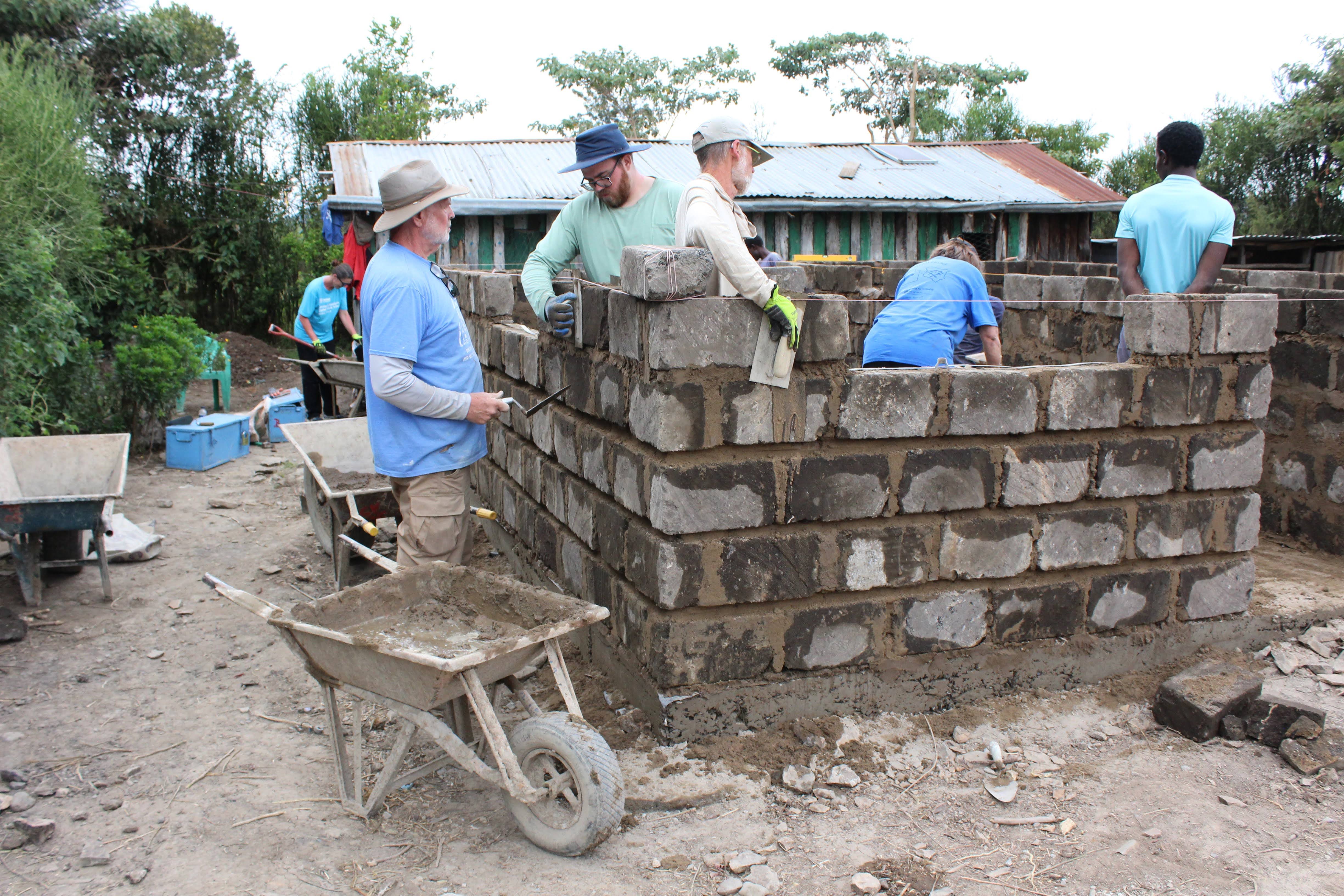
I personally learned about the power of Habitat for Humanity and how 90% of the funds raised actually don’t go to places like Kenya or Guatemala, but how they stay in the local community where they are raised. Money donated in Salt Lake City stays in Salt Lake City.
There may not have been electricity or running water; there may not have been the same conveniences that we take for granted, but what there was changed the way we all saw ourselves and the world around us. At least we were starting to ask ourselves the right questions. We wouldn’t have been able to do even that without Habitat for Humanity.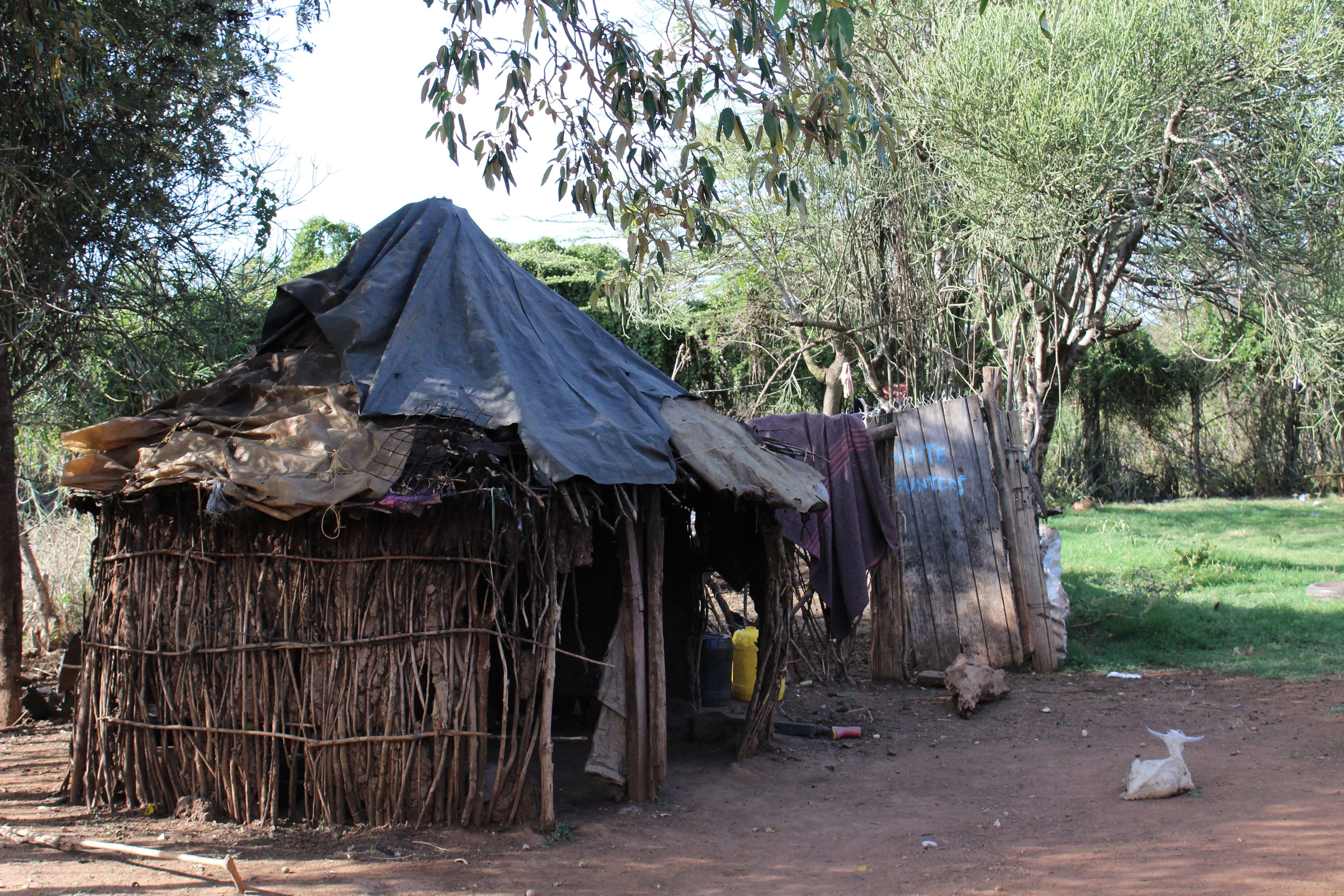
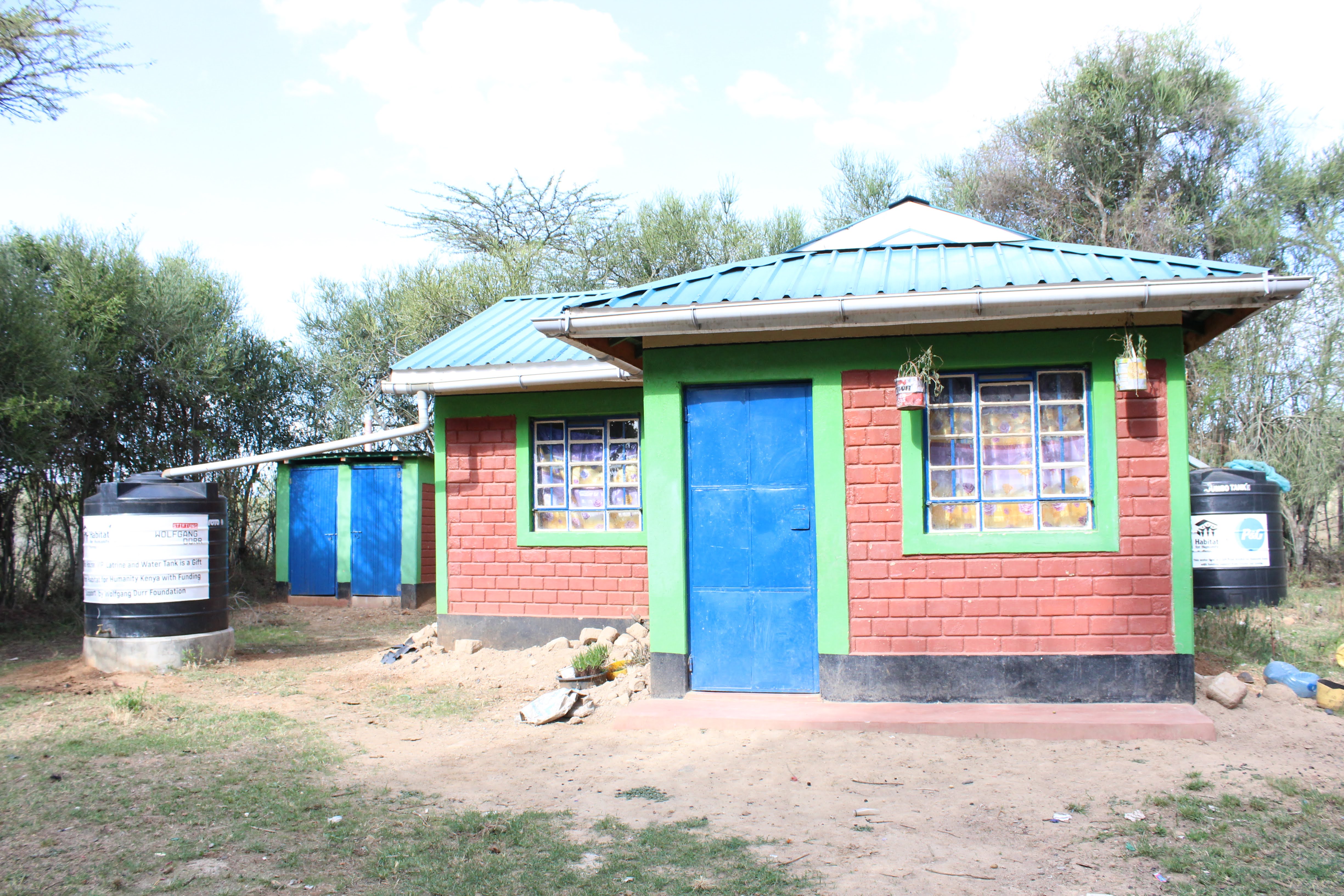

Can a simple house change the trajectory of a family’s future forever? Since our local affiliate opened its doors in 1986, we have seen firsthand that the answer is a resounding "yes." This year, we aren't just celebrating our 40th anniversary; we are joining a global celebration of Habitat for Humanity International’s 50th anniversary.

While Habitat for Humanity International was officially founded in 1976, the "partnership housing" model actually began much earlier. It started in 1942 at Koinonia Farm, an interracial community in Georgia.
It was there that the concept of the "Fund for Humanity" was born—the idea that new homeowners would work alongside volunteers to build homes at no profit, paying back no-interest loans to help build the next family's house. This radical vision of "a hand up, not a hand out" is what eventually led Millard and Linda Fuller to launch the international organization we know today.

Since opening our doors in 1986, Habitat for Humanity Greater Salt Lake Area has achieved remarkable milestones in Salt Lake, Davis, and Tooele Counties:

Joining the Habitat for Humanity International network 50 years after its inception means being part of a massive movement for change. The scale of this mission is staggering:
Key Stat: In 2025 alone, Habitat for Humanity helped 3 million people build or improve a place to call home, while another 20.8 million gained better housing potential through advocacy and training.
As we look toward the future, the need for affordable housing has never been greater. Median home prices have reached record highs, and millions of families are "cost-burdened," spending more than 30% of their income on housing.
We are committed to spending the next 40 years expanding our reach, but we can't do it without you. Whether through donations, volunteering at a build site, or shopping at our ReStore, you are the reason we can celebrate these milestones.
From the humble beginnings of Koinonia Farm in 1942 to our affiliate’s start in 1986, the mission has remained the same: Building strength, stability, and self-reliance through shelter. We are incredibly proud of the 40 years of service we’ve provided to our neighbors and the 50 years of global impact we share with Habitat International. Thank you for being part of this legacy.
We want you to be part of our next chapter. Help us celebrate 40 years of local impact by becoming a sustaining donor. Even $5, $10, or $20 a month helps a family receive critical home repairs and access to affordable housing.

This week, our CEO Carin Crowe joined Derek Miller on Speaking on Business with the Salt Lake Chamber. She spoke about the power of a safe, affordable home — and the way our community continues to come together to build opportunity here in Greater Salt Lake.
“When we build with families, we aren’t just constructing homes — we are opening doors to stability, belonging, and the chance to shape a future. Hope grows stronger when we build it together.”— Carin Crowe, CEO, Habitat for Humanity Greater Salt Lake Area
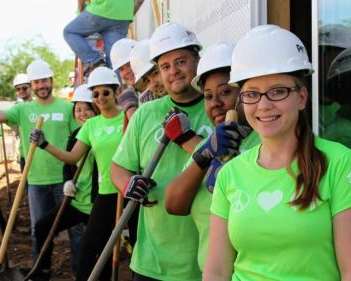
On every Habitat build site, you can feel that truth. Volunteers, future homeowners, and community partners lift walls and lift spirits — side by side, learning, laughing, sweating (just a little), and creating something lasting. What begins as construction becomes connection. What starts as lumber becomes possibility.
This is our shared story.
We don’t build for families — we build with them.
And every home strengthens the fabric of our community.
Listen to the conversation, here.

1276 South 500 West
Salt Lake City, Utah 84101
(801) 263-0136

© 2026 Habitat for Humanity Greater Salt Lake Area | Site by Third Sun