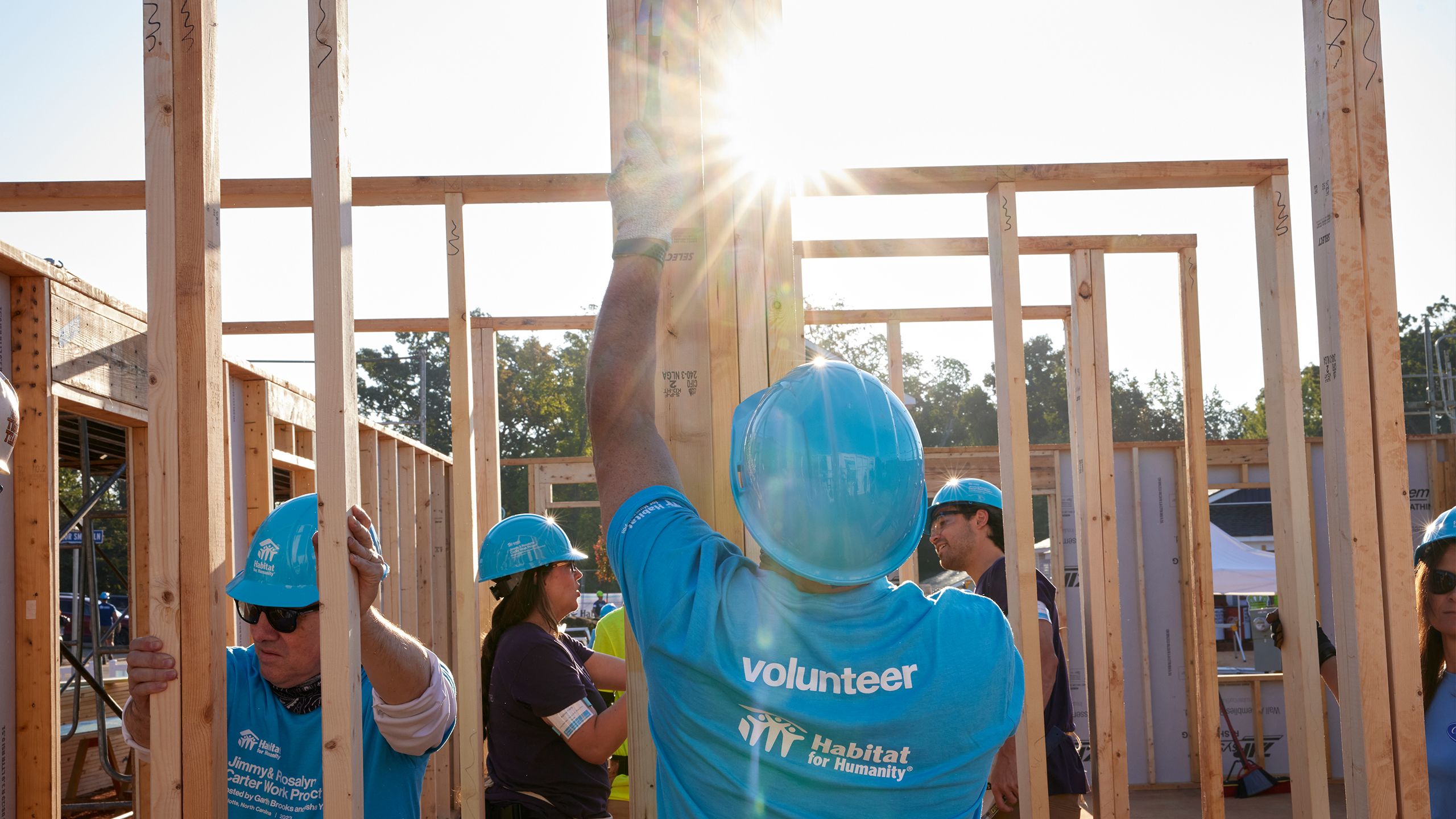
We believe that
everyone
deserves a decent place to live.
Putting love into action, we bring people together to build homes, communities, and hope.

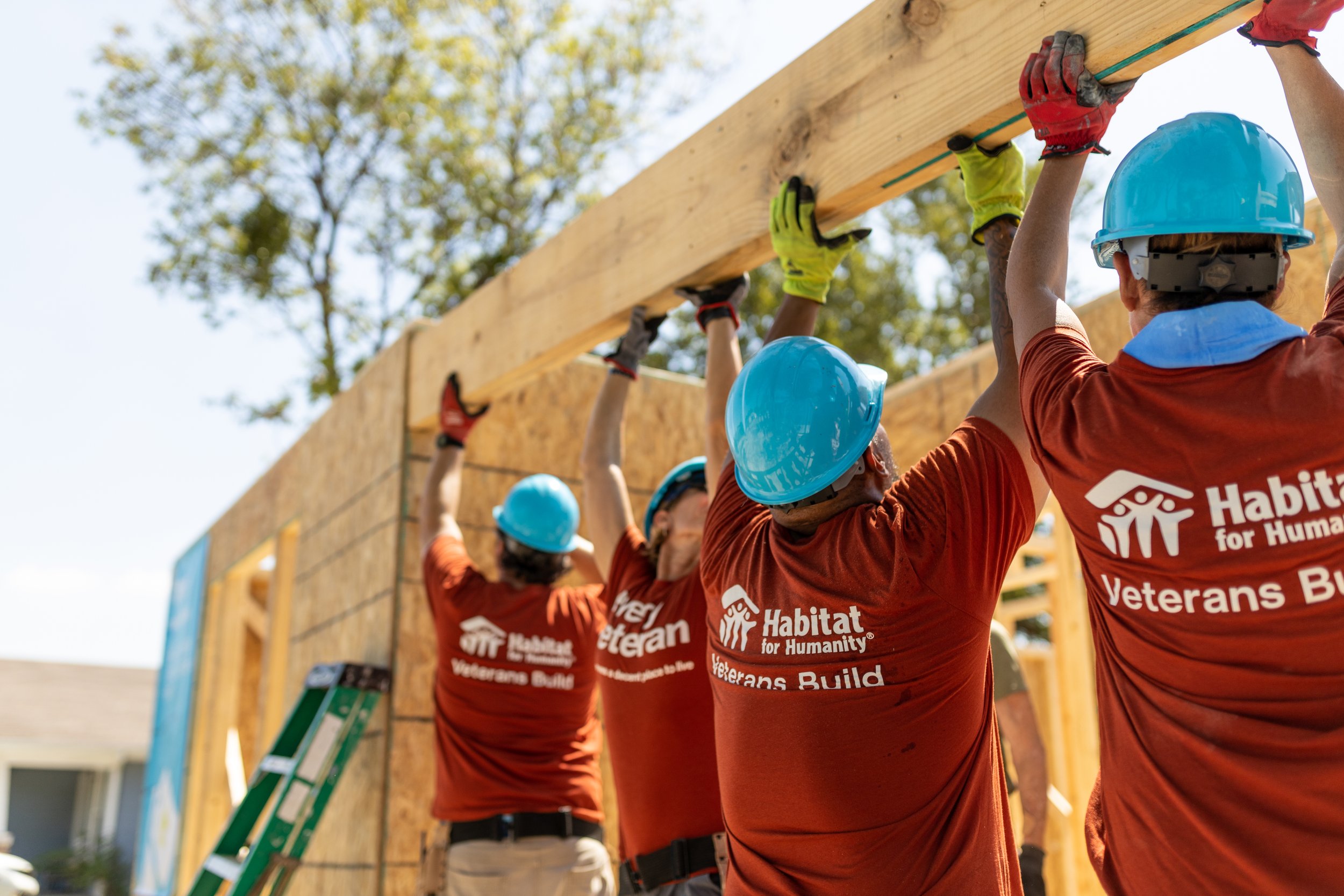


Since 1986, we have been dedicated to building strength, stability, and self-reliance
through shelter in Utah. Operating across Salt Lake, Davis, and Tooele counties,
we build alongside working families, volunteers, and community partners
to construct, rehabilitate, and repair affordable homes.
Working side-by-side with volunteers to construct resilient, affordable housing.
Offering interior or exterior repairs to alleviate health, accessibility, and safety issues for homeowners.
Supporting DIY home repairs by offering new and used home goods, furniture, and supplies.
Volunteers build homes, advocate for housing solutions, and uplift local communities.

October 7th 2026
Affiliate: Habitat for Humanity Greater Salt Lake Area Federal EIN: 87-0430150 | Serving Salt Lake, Davis & Tooele Counties Every grant builds
September 30th 2026
Join Our Mission Build strength, stability, and self-reliance through shelter—and shape a stronger community with us every single day. When

September 19th 2026
building strength from the inside out As the crisp autumn air settles into the valleys, we love taking a moment to look back at the incredible momen

August 10th 2026
Emergency Disaster Relief Supporting Families Displaced by the Midvale Apartment Fires Habitat for Humanity Great Salt Lake Area, in active partn
April 9th 2026
By Steven Heumann, Volunteer No power tools. No electricity. No running water. One house. When I stepped off the plane in Kenya with the tea
January 9th 2026
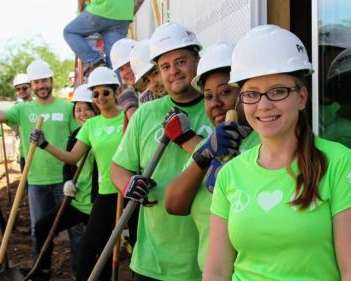
A Foundation of Strength, Stability, and Self-Reliance Can a simple house change the trajectory of a family’s future forever? Since our local affili

December 8th 2025
What if your weekly grocery run could go towards helping a Utah family stay safe and healthy in a stable home? When you enroll in Smith’s Inspiring Do

November 5th 2025
This week, our CEO Carin Crowe joined Derek Miller on Speaking on Business with the Salt Lake Chamber. She spoke about the power of a safe, affordable

October 6th 2025
When you step into the Habitat ReStore, you’re not just browsing cabinets, doors, or flooring—you’re stepping into opportunity. Here, families stretch
October 6th 2025
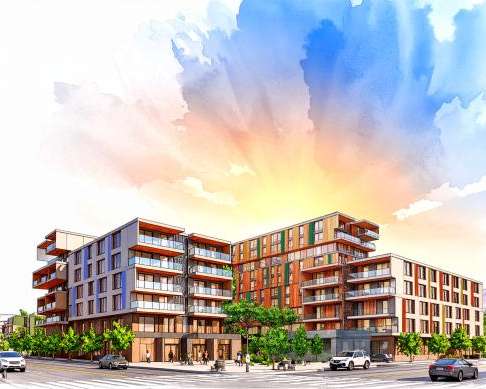
Salt Lake City is transforming a long-vacant parcel at 800 South, between 300 and 400 West—the former city fleet maintenance facility—into a vibrant,
September 22nd 2025
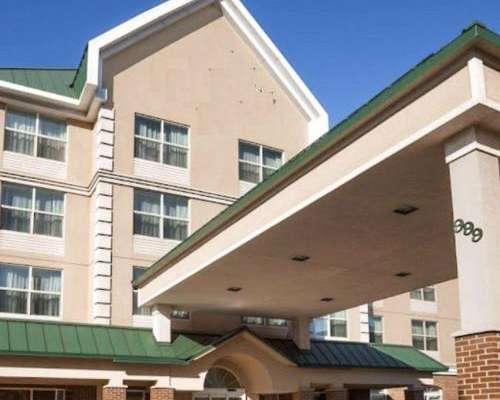
When the Holiday Inn Express in Bountiful was scheduled for demolition, hundreds of beds, desks, chairs, and tables faced an uncertain fate. Instead o

August 12th 2025
"When we invite people to build homes, we invite them to build communities, stability—and lasting opportunity." Carin Crowe, CEO of Habitat for Humani

December 29th 2024
When you picture Jimmy Carter, images of a peanut farmer turned president might spring to mind, or perhaps his Nobel-winning dedication to peace and h
June 18th 2024
Please join us for an evening of inspiration and purpose as we gather at our Field of Dreams model home to share the transformative work of Salt Lake
Please join us for an evening of inspiration and purpose as we gather at our Field of Dreams model home to share the transformative work of Salt Lake Valley Habitat for Humanity and celebrate the spirit of community. Spend time with old friends and make new as you experience life in a Habitat Partner Family community and learn how your support can help build homes, hope, and brighter futures.
Together we can turn the dream of safe, affordable housing into a reality for more families in need.
RSVP FOR THE OCTOBER 16, 2024 DINNER
RSVP FOR THE NOVEMBER 14, 2024 DINNER
RSVP FOR THE JANUARY 15, 2025 DINNER, HOSTED BY CHARLES HENDERSON
Location: Field of Dreams model home, 4264 W Outfield Dr, Kearns, UT 84118
Time: 6:00 pm to 8:00 pm

Your Donor-Advised Fund holds charitable dollars dedicated to making a difference. Recommending a grant today puts those resources directly into action in our neighborhoods—partnering with families to build decent, affordable homes and lasting self-reliance.

Every dollar directly covers construction materials and infrastructure for local home builds.
Lowers long-term utility expenses
for a family building stability.
Constructs safe, private bedrooms
for studying and restful sleep.
Provides weather-tight shelter that protects
against severe mountain winters.
Funds the concrete foundation
that anchors a home for generations.
“We wouldn't be here without you.”
“Being able to celebrate this big milestone with so many people, it’s just made it so much more sentimental for me and my kids. My son got to put the keys into the door and walk in for the first time thinking… ‘Oh, this is mine.’ As someone who’s been a beneficiary of others who have donated and who have volunteered, all I have to say is that this was a life-changing experience, and my family wouldn’t be here without you.”
— Mel, Habitat Homeowner
Connect with major fund sponsors (Fidelity Charitable, Schwab Charitable / DAFgiving360, Vanguard Charitable, BNY Mellon) in minutes:
If your account is managed through an independent wealth advisor or community foundation, share these verified details:
Distribution checks may be mailed directly to our physical headquarters.
Some DAF portals omit contact information when transmitting checks. Please let us know if you recommend a grant so our local team can acknowledge your generosity and share progress photos from the build site.
We respect donor privacy and never sell or exchange constituent data.

What if your weekly grocery run could go towards helping a Utah family stay safe and healthy in a stable home?
When you enroll in Smith’s Inspiring Donations and choose Habitat for Humanity Greater Salt Lake Area as your charity, Smith’s donates 0.5% of your eligible purchases to support affordable housing and critical home repairs—at no extra cost to you. Every cart, every checkout, becomes a quiet but powerful way to direct more funding to Utah families working hard to build strength, stability, and self-reliance through housing.
How to help in just a few easy steps:
1. Create or sign in to your Smith's digital account.
2. Go to Smith's Inspiring Donations in your account settings.
3 . Search for Habitat for Humanity Greater Salt Lake Area by name.
4 . Select us and click Save.
5. Shop at Smith's and simply swipe your Shopper's Card or enter your phone number at checkout.
That's it. No extra fees. No extra steps. Just the groceries you already buy—now helping your favorite nonprofit provide more affordable homes and repairs across Utah.
As the crisp autumn air settles into the valleys, we love taking a moment to look back at the incredible momentum built over the past few months.
While much of our visible work happens out in the dirt and sunlight on our build sites, true community transformation happens from the inside out.
our operational momentum
Over the past few months, our team has been hard at work upgrading our infrastructure, streamlining our programs, and expanding our reach so we can serve local families better, faster, and with more heart than ever. Here is a look at what your support powered this summer:
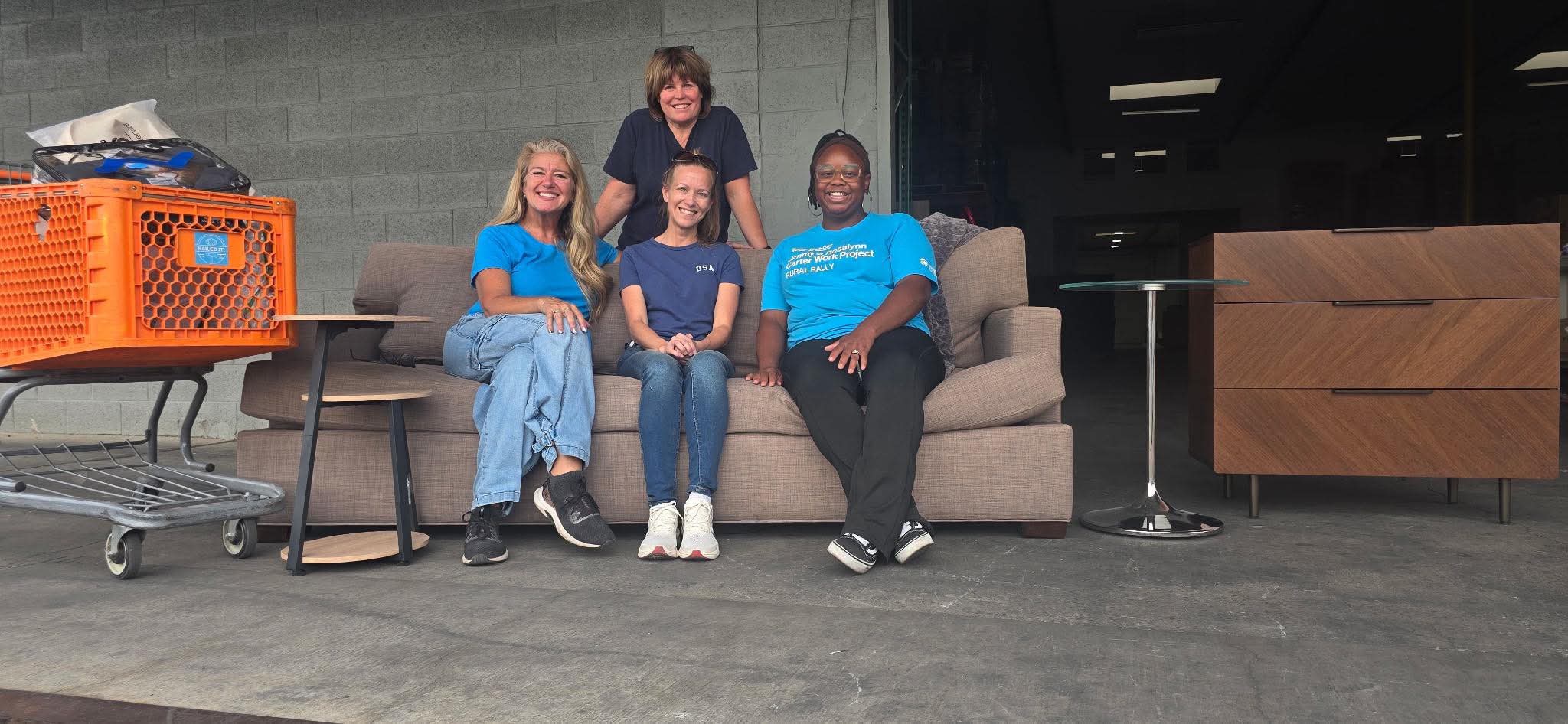
We mobilized a rapid disaster response following the Midvale apartment fires, supporting residents from approximately 220 affected apartments with emergency supplies, furniture, and household goods through Habitat Cares and VIP/warehouse resources while helping stand up a Multi-Agency Resource Center in close coordination with Midvale City, fire, and community partners. In addition, we completely overhauled and streamlined our family support structure, opening our brand-new warehouse showroom to ensure families experience organized, compassionate assistance from day one.
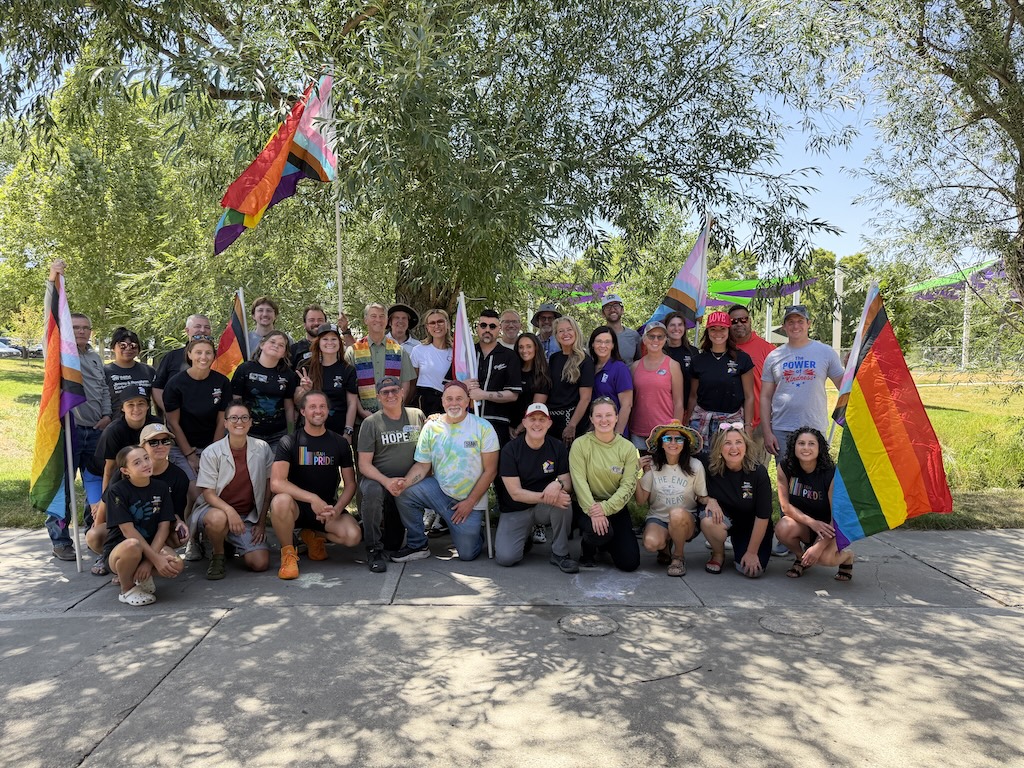
We successfully launched our first large-scale Pride Build in June, partnering with Equality Utah, the Utah Pride Center, Love Loud, UAF Legacy Health, and corporate partners like CHG to combine deconstruction, rehab, and beautification work in South Salt Lake with visibility around housing justice for queer families. Staff and volunteers also engaged directly at the Pride parade, informational booths, and partner events, driving traffic to sign-ups and impact stories.
We welcomed our new team members—including AmeriCorps interns Janae Belk and Aniya Wren‑Daniel, as well as Bank of America intern Ashton Chrisley—to support our ongoing mission.
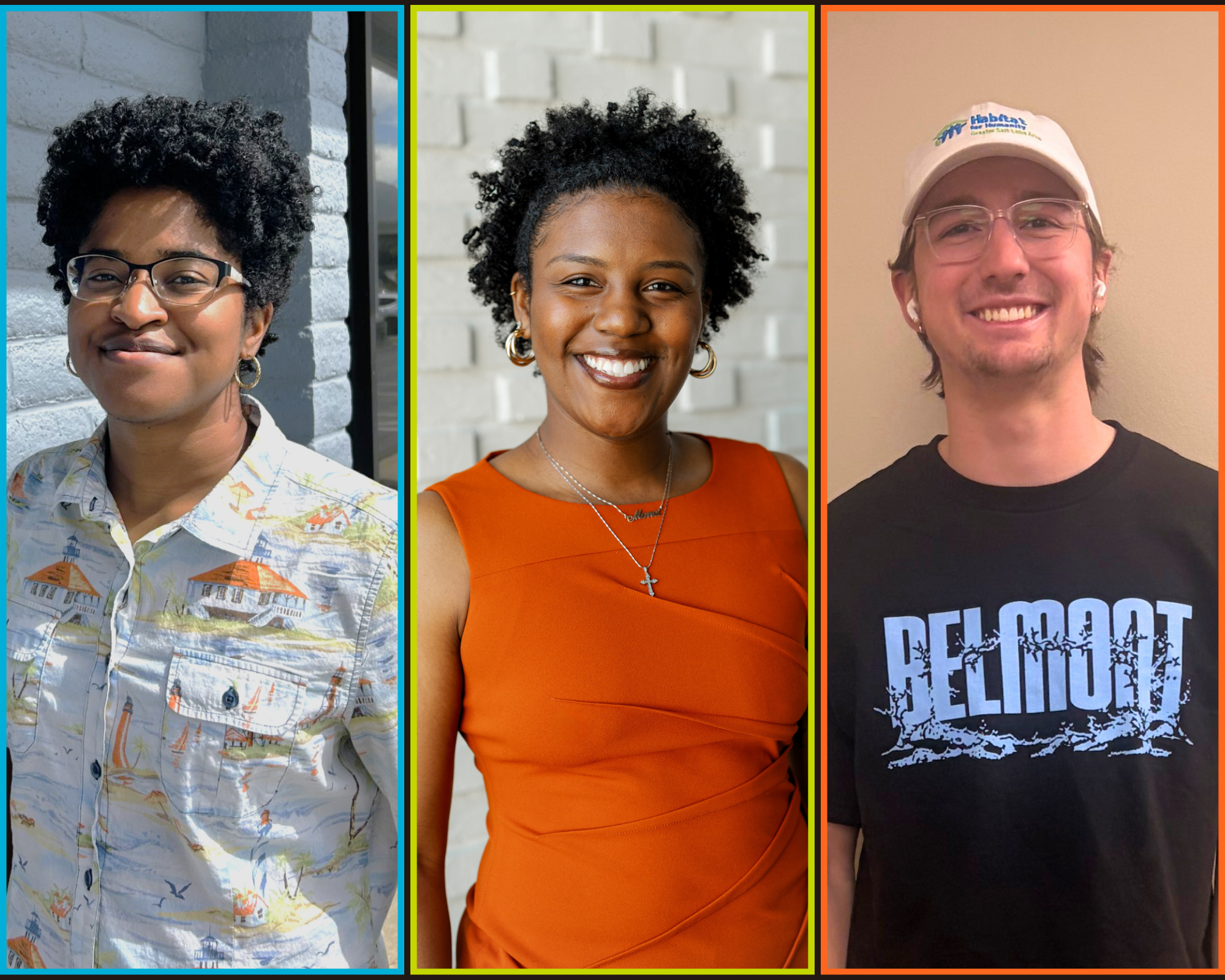
She bridges retail operations and strategic visibility, utilizing her marketing skills to promote ReStore initiatives, drive engagement, and build local awareness.
She aims to build sustainable capacity for community anti-poverty initiatives while expanding her skills in project management and marketing across diverse design fields.
He focused on ongoing community impact and organizational initiatives, combining a mechanical engineering foundation with sustainable development, and a capstone project exploring innovative construction technologies such as SIPs and IFPs.
Every behind-the-scenes upgrade, community build, and disaster response ultimately translates to one incredible thing:
More local families unlocking the life-changing stability of a safe, affordable home.
None of this happens in a vacuum. Every process streamlined and every shelf stocked is a direct result of our community standing shoulder-to-shoulder with us.

1276 South 500 West
Salt Lake City, Utah 84101
(801) 263-0136

© 2026 Habitat for Humanity Greater Salt Lake Area | Site by Third Sun